
What Is FPV?
What Is Floating Photovoltaic (FPV)?
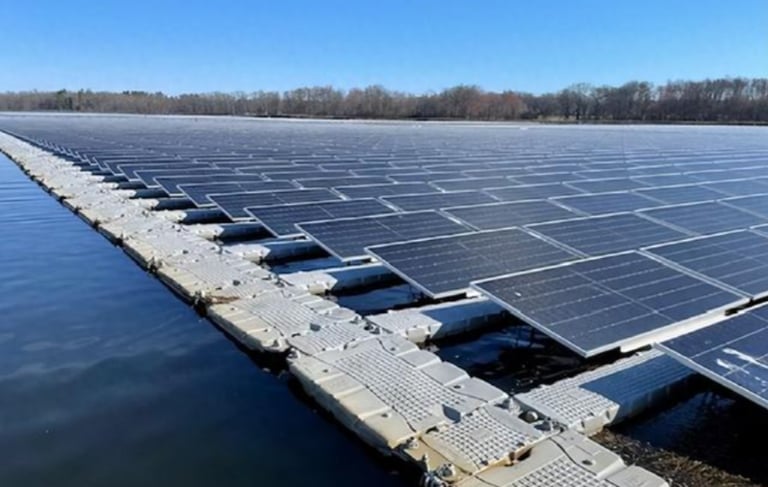
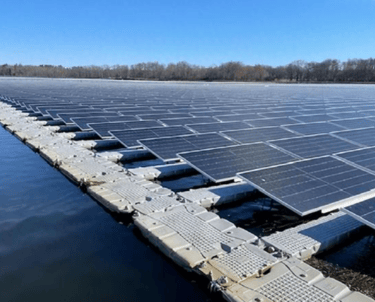
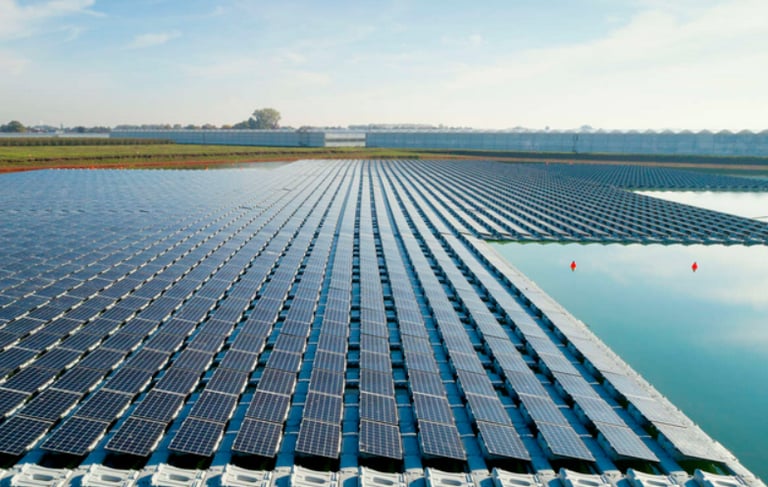
Floating photovoltaic (FPV) systems are solar panels installed on water surfaces such as lakes, reservoirs, and dams. By using water bodies instead of land, FPV systems optimize space, reduce evaporation, and improve energy efficiency through natural cooling.
How FPV Works?
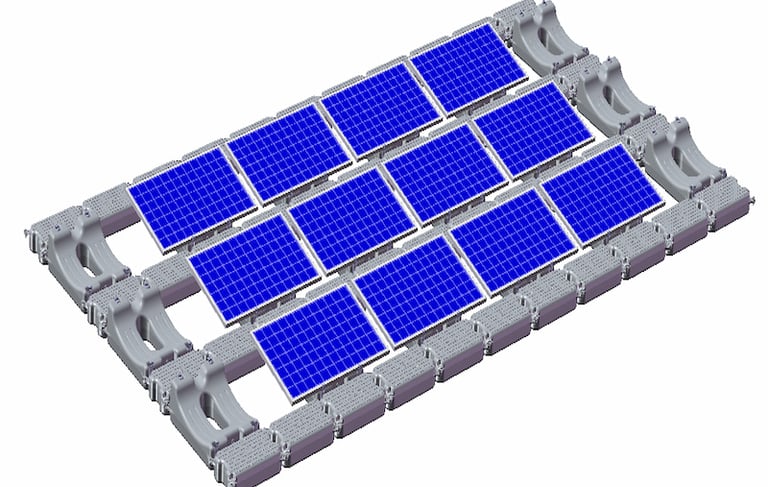
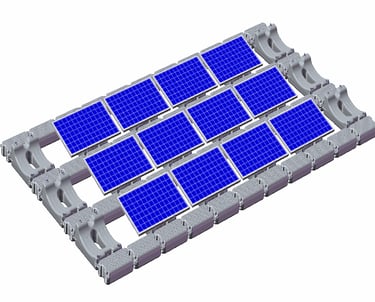
FPV installations consist of solar panels mounted on floating platforms, anchored to prevent drifting. They connect to inverters and the power grid like traditional solar systems but use water surfaces instead of land.
Global Adoption
Floating solar has been deployed widely in Asia and Europe due to land scarcity and policy incentives. These regions demonstrate the technology’s efficiency and scalability.
FPV in the Americas
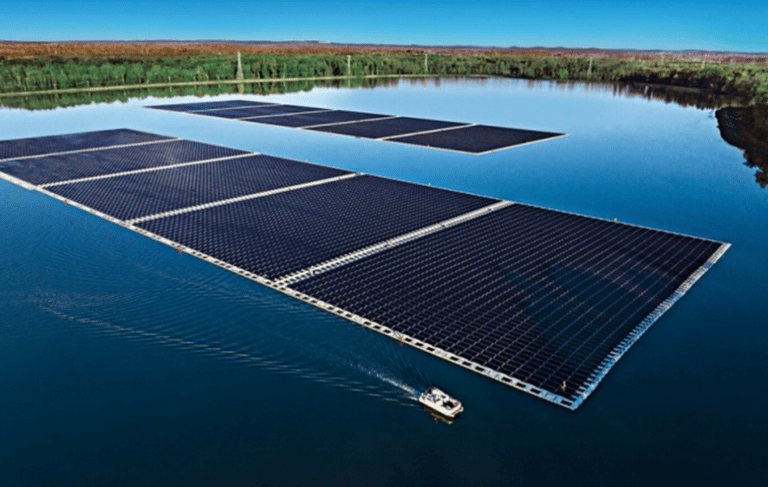
In the Americas, FPV is still emerging, with only a handful of large-scale installations. Interest is growing due to renewable energy goals, water management needs, and space optimization.
Why FPV Matters?
FPV offers multiple benefits:
Efficient use of space
Reduced land footprint
Natural panel cooling
Water conservation through reduced evaporation
Learn about active floating solar projects and stay updated on FPV advancements across the Americas.